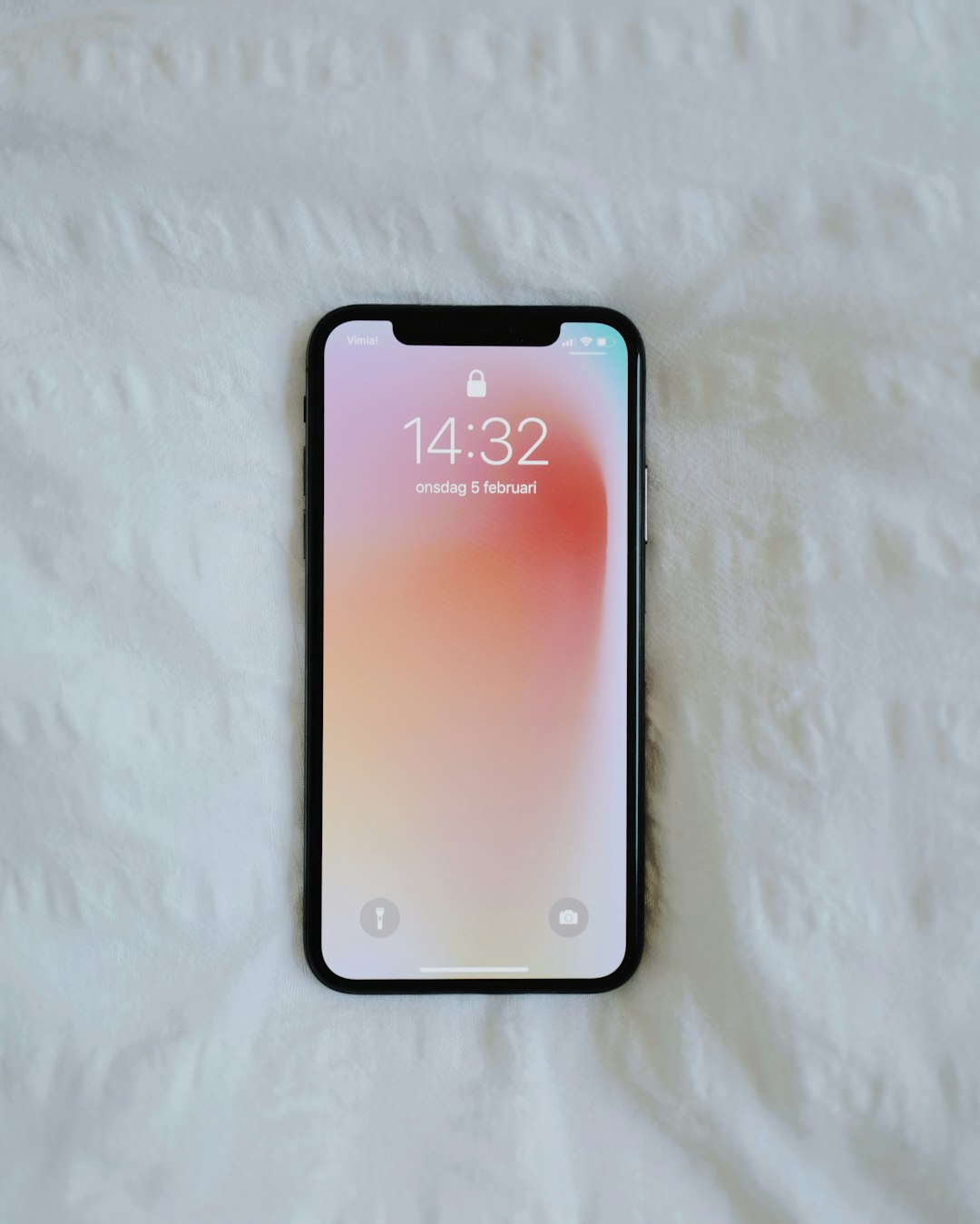
Robocalls are a growing problem in Alabama, impacting residents' privacy and businesses. Alabama law, guided by federal regulations like TCPA, restricts automated calls without consent. Consumers can take legal action, seeking compensation for unwanted robocalls, especially if they've been disturbed frequently. Understanding these rights is crucial when considering suing for robocalls in Alabama.
In the digital age, robocalls have become a ubiquitous yet unwanted nuisance for Alabama residents. This article delves into the economic impact of these automated calls, examining their prevalence and exploring legal protections available to Alabamians. We dissect when robocalls are permissible and highlight common fraudulent schemes targeting locals. Additionally, we guide readers through navigating legal action, including the possibility of suing for robocalls in Alabama. Understanding these aspects empowers citizens to protect themselves from financial harm.
Understanding Robocalls and Their Prevalence in Alabama
Robocalls, automated phone calls that deliver pre-recorded messages, have become an increasingly common nuisance for Alabama residents. These calls are often used for marketing purposes and can include everything from promotions to survey requests. While many people view them as a minor irritation, the sheer volume of robocalls in Alabama has led to significant economic impacts on individuals and businesses alike.
In recent years, the proliferation of robocalls has sparked concern among residents who feel their privacy is invaded and their time wasted. The state of Alabama has not been immune to this trend, with many locals receiving numerous unwanted calls daily. Furthermore, the rise in fraudulent robocalls aimed at tricking people into revealing personal information or making unauthorized charges has prompted questions about legal recourse. For those wondering if they can sue for robocalls in Alabama, understanding the regulations and options available is essential.
Legal Protections Against Unwanted Robocalls
In the face of rising robocall volumes, Alabama residents have legal protections in place to safeguard against unwanted calls. The Telephone Consumer Protection Act (TCPA) prohibits automated or prerecorded phone messages from being sent to any wireless or landline telephone unless the caller has obtained prior explicit consent. This federal law grants consumers the right to sue for damages if they receive robocalls without giving permission.
Additionally, Alabama state laws reinforce these protections. Residents can take legal action against companies or individuals using automated dialing systems to make unwanted calls, potentially seeking compensation for each violation. If you’ve been bothered by frequent robocalls in Alabama, understanding your rights and exploring options to stop them is a crucial step. Consider reaching out to consumer protection agencies or consulting with an attorney specializing in telecommunications law to determine if you can sue for robocalls in Alabama based on these legal protections.
When Is It Okay to Receive Robocalls?

In the digital age, robocalls have become a ubiquitous part of our daily lives, often causing frustration and confusion among Alabama residents. However, not all automated calls are created equal, and understanding when it’s acceptable to receive them is crucial. Legitimate businesses and organizations may use robocalls for marketing purposes, but only if they adhere to specific regulations.
Under the Telephone Consumer Protection Act (TCPA), consumers in Alabama have rights that restrict unsolicited calls, including those from automated systems. If you’re receiving robocalls promoting products or services without your prior consent, you may have grounds to take action. While it’s unlikely you can sue for every unwanted call, seeking legal advice if these calls persist or involve deceptive practices could help establish whether a case for compensation exists, especially regarding Can I Sue For Robocalls Alabama.
Common Types of Fraudulent Robocalls Targeting Alabama Residents
In the digital age, robocalls have become a pervasive nuisance for many Alabama residents. These automated phone calls often carry malicious intent, with common types of fraudulent robocalls targeting individuals across the state. Scammers use sophisticated technology to impersonate legitimate organizations or even friends and family members, tricking recipients into revealing sensitive personal information such as bank details and social security numbers. Another prevalent tactic involves promoting non-existent jobs or investment opportunities, aiming to extract financial data from unsuspecting citizens.
Moreover, robocalls can also be used for phishing scams, where callers pose as tech support staff from renowned companies, warning of software issues on the recipient’s device. The pressure created by these calls often prompts individuals to hastily make decisions, leading to potential financial loss or identity theft. Given the prevalence and seriousness of these fraudulent activities, it’s important to know that Can I Sue For Robocalls Alabama is a question many residents are asking. Understanding legal options available against robocallers can empower individuals to take action against this growing digital menace.
Navigating Legal Action: Can You Sue for Robocalls in Alabama?

In Alabama, navigating legal action against robocallers is a right for residents who feel their privacy has been invaded. The Telephone Consumer Protection Act (TCPA) provides significant protections against automated phone calls, including robocalls, for consumers across the United States, and Alabama is no exception. If you’ve received unwanted robocalls in Alabama, you may be able to take legal action.
To determine if you can sue for robocalls in Alabama, it’s important to understand that the TCPA allows individuals to seek damages for violation of their privacy rights. This includes compensatory damages, punitive damages, and injunctive relief. If you can prove that a robocaller made calls to your personal or residential phone without your prior consent, you may have a case. However, it’s recommended to consult with an attorney specializing in TCPA litigation to discuss the specifics of your situation and explore your legal options effectively.