
Montgomery residents face a surge in spam robocalls using advanced techniques like spoofed IDs and AI personalization. Spam call lawyers Alabama highlight growing concerns, with the FTC reporting 38 billion global spam calls in 2022. To combat this, residents are advised to register for Do Not Call lists, use blocking apps, and report suspicious calls to the FTC. Businesses should enforce state regulations, adopt call authentication protocols (STIR/SHIM), and share intelligence on robocall trends. Spam call lawyers Alabama stress stringent list enforcement to deter scammers, ensuring a safer digital environment.
In today’s digital age, the rise of robocalls has become a pervasive and increasingly problematic aspect of daily life for many Montgomery residents. These automated calls, often spam in nature, are not only intrusive but can also signal potential scams or fraud. With Alabama being home to numerous Spam call lawyers, it’s crucial to understand the risks these calls pose and explore effective countermeasures. This article delves into the complexities of robocalls, their legal implications, and provides insights into how individuals and businesses can protect themselves in this evolving landscape.
Unveiling Robocall Tactics in Montgomery

In Montgomery, as across the nation, robocalls have become an increasingly pervasive nuisance, with sophisticated tactics employed by telemarketers and scammers. These automated calls, often using pre-recorded messages, target residents at all hours, attempting to sell products or services or peddle fraudulent schemes. Understanding these tactics is crucial for effective defense against such intrusions.
One common robocall strategy involves spoofed caller IDs, showing a local number or even a government agency to gain trust. Scammers also employ dynamic number generation, making it nearly impossible to block calls as the numbers constantly change. Another insidious tactic is the use of artificial intelligence (AI) to personalize messages, making them sound more genuine. For instance, AI-driven robocalls may reference recent purchases or local events to seem relevant and increase the likelihood of engagement.
Expert analysis reveals that these attacks have evolved, with advanced technologies allowing for more targeted and convincing campaigns. According to a study by the Federal Trade Commission (FTC), spam call volumes have been steadily rising, with over 4 billion robocalls reported in the U.S. alone during 2021. In Alabama, including Montgomery, Spam call lawyers have observed an increase in complaints related to these aggressive marketing tactics. Residents are advised to remain vigilant and take proactive measures such as registering on Do Not Call lists, using call-blocking apps, and verifying the authenticity of unexpected calls from trusted sources—including legal counsel, as a preventative step against potential fraud.
Legal Protections Against Spam Calls in Alabama

In Montgomery, Alabama, as across the nation, robocalls have become a pervasive and often intrusive part of daily life. While many robocalls offer valuable services or information, others are unlawful spam calls designed to promote products or services in an unwanted manner. To combat this growing issue, several legal protections against spam calls exist at both state and federal levels. Alabama has specifically implemented laws aimed at mitigating the impact of these intrusive calls.
The Telephone Consumer Protection Act (TCPA) serves as a cornerstone of federal legislation against spam calls. This law prohibits automated or prerecorded telephone calls to consumers without their prior express consent. Importantly, the TCPA includes strict rules for businesses and organizations making such calls, with significant financial penalties for violations. Alabama has also enacted its own version of this legislation, known as the Alabama Telemarketing Act, which further restricts unwanted telemarketing practices within the state. These laws empower consumers with the right to silence spam calls and seek legal recourse against persistent violators.
Spam call lawyers in Alabama play a crucial role in enforcing these protections. They assist consumers in navigating the complexities of TCPA and state regulations, helping them understand their rights and take action against companies that disregard these laws. By holding telemarketers and call centers accountable, these attorneys contribute to a reduction in spam calls, ensuring Montgomery residents enjoy greater privacy and peace of mind. Consumers who suspect they have received illegal spam calls are advised to document the calls, save any related messages or recordings, and consult with a qualified Spam call lawyer in Alabama for expert guidance on pursuing legal action if necessary.
Strategies to Stop and Report Robocalls Effectively
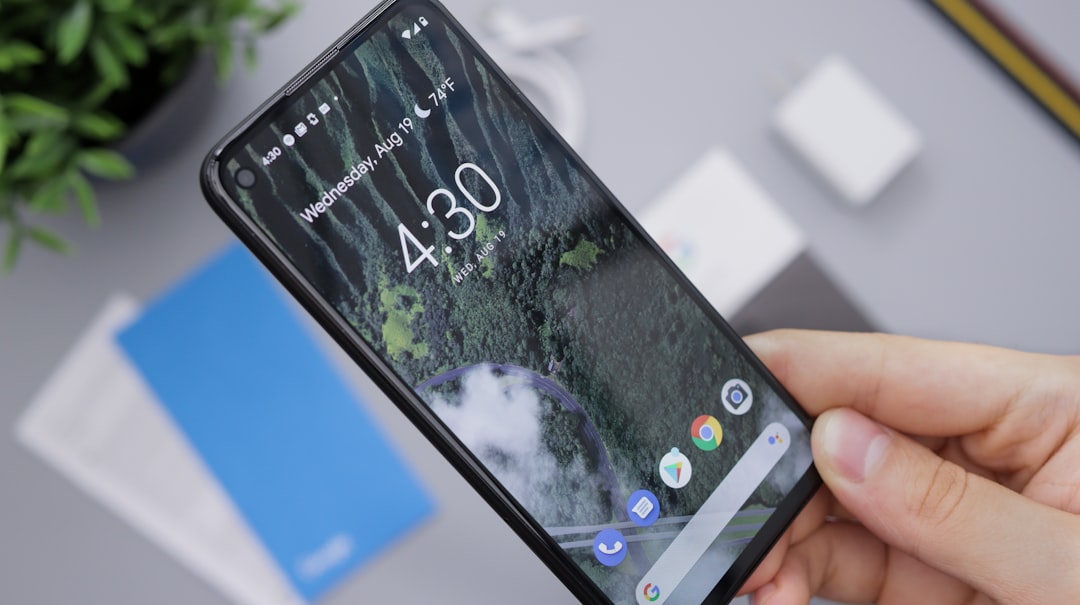
Robocalls have become a significant nuisance and security risk for residents of Montgomery, with an estimated 38 billion spam calls made globally in 2022, according to data from National Do Not Call Registry. These automated phone calls, often disguised as legitimate business or government communications, can transmit malicious software or gather personal information through deception. To combat this growing issue, it’s crucial to understand the strategies both individuals and organizations can employ to stop and report robocalls effectively.
One of the primary steps is to familiarize yourself with state-level regulations, such as Alabama’s Do Not Call List, which allows residents to register their phone numbers to prevent unsolicited calls. Additionally, utilizing call blocking apps or features on modern smartphones can significantly reduce the volume of robocalls received. Many reputable spam call lawyers Alabama firms advocate for stringent enforcement of these lists to deter unscrupulous callers. Reporting suspicious calls to relevant authorities, such as the Federal Trade Commission (FTC), is another powerful tool. The FTC offers a simple online reporting system where you can detail the nature and frequency of robocalls, aiding in their investigations and potential legal action against perpetrators.
For businesses, implementing robust call authentication protocols like STIR/SHIM and adopting phone number portability to verify and validate caller IDs can significantly mitigate the risk of making or receiving spam calls. Collaborating with industry peers and trade associations to share intelligence on emerging robocall trends and tactics is also beneficial. By staying informed and proactive, individuals and organizations in Montgomery can enhance their defenses against these intrusive communications, ensuring a safer digital environment.